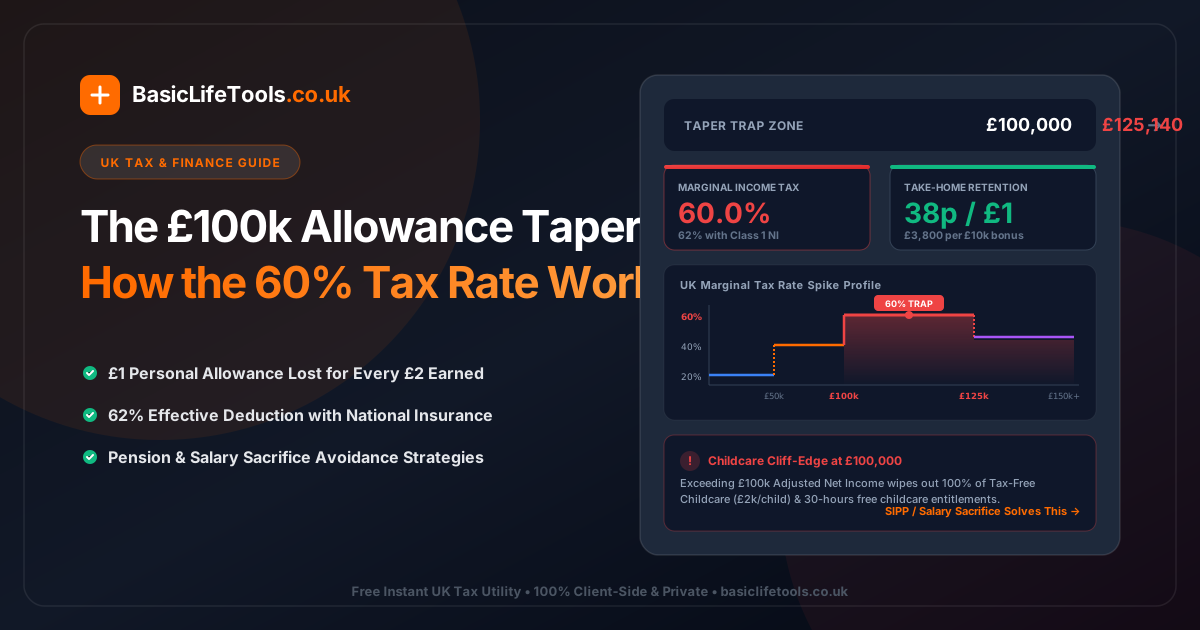
Under UK tax rules, earning more than £100,000 does not just push you into higher tax obligations—it triggers the Personal Allowance taper trap. Between £100,000 and £125,140, the loss of your statutory tax-free allowance creates an effective marginal income tax rate of 60% (rising to 62% with National Insurance, or 67.5% in Scotland).
What Is the £100k Personal Allowance Taper?
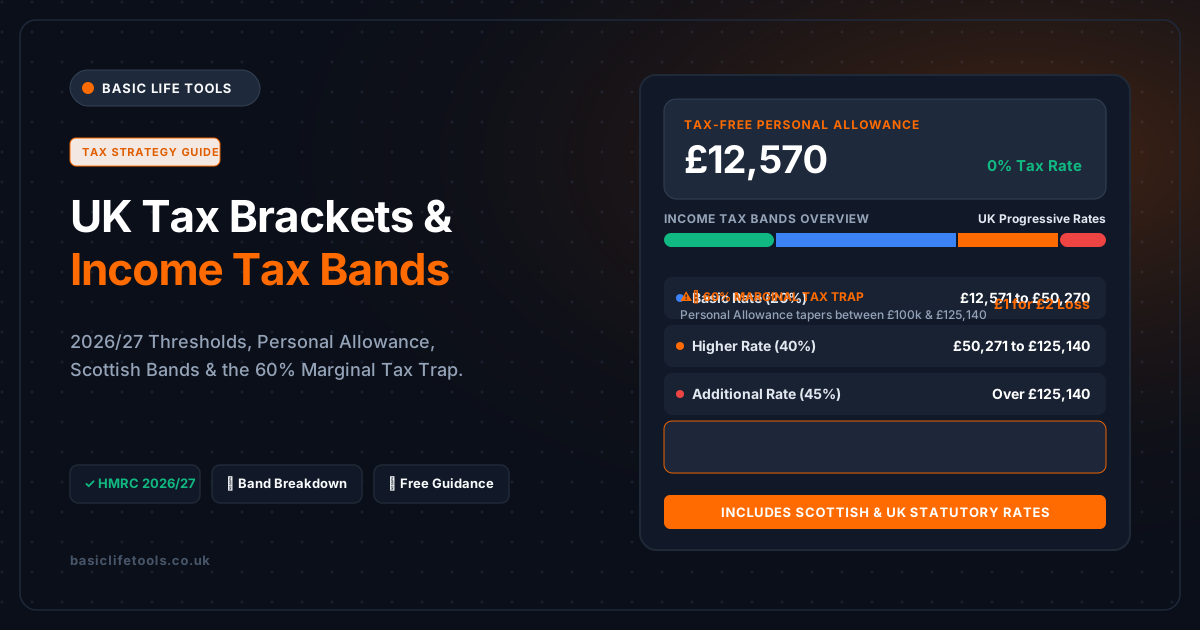
Every individual in the UK receives a standard tax-free Personal Allowance of £12,570. However, under Section 35 of the Income Tax Act 2007, once your Adjusted Net Income exceeds £100,000, this allowance is withdrawn at a rate of:
Personal Allowance Reduction=2Adjusted Net Income−£100,000
For every £2 you earn over £100,000, you lose £1 of your tax-free allowance. By the time your income reaches £125,140 (£100,000+2×£12,570), your Personal Allowance is reduced to zero.
| Adjusted Net Income | Personal Allowance Retained | Allowance Lost | Marginal Income Tax Rate |
|---|---|---|---|
| £100,000 | £12,570 | £0 | 40% |
| £105,000 | £10,070 | £2,500 | 60% |
| £110,000 | £7,570 | £5,000 | 60% |
| £115,000 | £5,070 | £7,500 | 60% |
| £120,000 | £2,570 | £10,000 | 60% |
| £125,140+ | £0 | £12,570 | 45% (Additional Rate) |
The Mathematical Mechanics: Why Does It Equal 60%?
There is no official “60% tax band” written into HMRC statutory legislation. The 60% figure is an effective marginal rate created by the combination of two simultaneous tax charges on each extra £100 earned between £100,000 and £125,140:
- Standard Higher Rate Tax: You pay 40% statutory Income Tax on the extra £100 = £40.
- Tax on Lost Allowance: Earning £100 reduces your tax-free Personal Allowance by £50. That previously tax-free £50 is now dragged into the 40% Higher Rate band, creating an additional tax bill of 40%×£50 = £20.
Total Tax on £100=£40+£20=£60⟹60% Effective Rate
When you factor in the 2% Employee National Insurance (Class 1) charged on earnings over £50,270, an employee in England, Wales, or Northern Ireland takes home just £38 out of every £100 earned in this bracket.
The Scottish Tax Reality: Scottish taxpayers face the 45% Advanced Rate between £75,001 and £125,140. When the £1 for £2 taper is applied, the effective income tax rate climbs to 67.5%(45%+22.5%), or 69.5% including National Insurance.
Step-by-Step Worked Example: £10,000 Bonus at £100,000
Assume an employee earning a base salary of £100,000 receives a £10,000 year-end performance bonus in the 2026/27 tax year:
- Base Salary: £100,000
- New Gross Income: £110,000
- Personal Allowance Reduction: (£110,000−£100,000)÷2=£5,000
- New Personal Allowance: £12,570−£5,000=£7,570
- Income Tax on the £10,000 Bonus:
- Direct 40% Higher Rate tax on bonus: £10,000×40%=£4,000
- Extra tax from lost allowance: £5,000×40%=£2,000
- Total Income Tax: £6,000 (60% effective rate)
- National Insurance (2%): £10,000×2%=£200
- Total Deductions: £6,200
- Net Cash in Hand: £3,800 (Net retention rate: 38%)
Check your take-home pay with the Take Home Pay Calculator or verify your bands on the Income Tax Calculator.
The Hidden Trap: Loss of Childcare Entitlements
The £100,000 threshold represents a sharp fiscal cliff for families. Crossing £100,000 by even £1 of Adjusted Net Income immediately eliminates:
- Tax-Free Childcare: Up to £2,000 per child per year (or £4,000 for disabled children) in government top-ups.
- 30 Hours Free Childcare: Government-funded childcare for 3- and 4-year-olds (and expanded support for younger toddlers), worth £5,000–£7,000+ annually per child.
A parent with two toddlers receiving a £2,000 salary increase from £99,500 to £101,500 can end up thousands of pounds worse off after losing childcare subsidies and paying 60% tax.
4 Strategies to Beat the £100k Tax Trap
- Pension Contributions (SIPP or Workplace) Making pension contributions is the most effective way to reduce your Adjusted Net Income. Gross pension contributions are deducted directly from your income before the taper is assessed. Contributing to a SIPP or personal scheme retains your allowance while giving you an effective 60% tax relief on the contribution. If you manage smaller retirement pots, explore the Small Pension Pots Loophole Calculator.
- Salary Sacrifice Schemes Contractually agreeing to reduce your gross contractual salary in exchange for employer pension contributions, ultra-low emission company cars (EVs), or cycle-to-work arrangements keeps your Adjusted Net Income below £100,000 while reducing both Income Tax and National Insurance. You can model these savings using the Salary Sacrifice Calculator.
- Gift Aid Charitable Donations Charitable donations made through Gift Aid reduce your Adjusted Net Income for the purposes of the Personal Allowance taper. Every £100 donated under Gift Aid is treated as £125 gross, lowering your Adjusted Net Income by £125 and restoring £62.50 of your tax-free allowance.
- Dividends & Income Timing If you operate as a director/shareholder of a limited company, you can control your taxable salary and dividend distributions to keep your total income below £100,000. Use the Dividend Tax Calculator and IR35 Calculator to optimize profit extraction.
Interactive Client-Side Simulation Widget (Calculator Code)
Embed this lightweight calculator directly into WordPress to allow readers to compute their Personal Allowance loss, effective tax rate, and take-home pay:
£100k Personal Allowance Taper Calculator
Internal and External Authority References
Internal Financial Calculators
External Official Guidance
- GOV.UK: Income Tax Rates and Personal Allowances – Official statutory rates and taper threshold rules.
- HMRC Guidance: Adjusted Net Income – How HMRC defines and calculates taxable adjusted net income.
- MoneyHelper UK: Tax Relief on Pension Contributions – Independent statutory guidance on pension tax efficiency.
Frequently Asked Questions (FAQ)
1. What is the £100k personal allowance taper?
The £100k personal allowance taper is an HMRC statutory rule that reduces your tax-free Personal Allowance by £1 for every £2 of Adjusted Net Income you earn above £100,000, wiping it out entirely once income reaches £125,140.
2. Why is the effective tax rate 60% instead of 40%?
While your formal Income Tax band is the 40% Higher Rate, losing £1 of allowance for every £2 earned means an extra £1 of previously tax-free income becomes taxed at 40%. This adds an extra 20% effective tax burden on top of the 40% rate (40%+20%=60%).
3. Does National Insurance apply to earnings between £100,000 and £125,140?
Yes. Employees pay Class 1 National Insurance at 2% on earnings above the Upper Earnings Limit (£50,270). This pushes the total marginal deduction rate in this income band to 62%.
4. How does the £100k taper work in Scotland?
In Scotland, earnings between £75,001 and £125,140 are subject to the 45% Advanced Rate. Because of the Personal Allowance taper, Scottish taxpayers face an effective marginal tax rate of 67.5% on income between £100,000 and £125,140, or 69.5% including National Insurance.
5. What is “Adjusted Net Income” according to HMRC?
Adjusted Net Income is your total taxable income (salary, bonuses, self-employed profits, rental income, and dividends) minus gross pension contributions and gross Gift Aid donations. It is the specific figure HMRC uses to evaluate whether you lose your Personal Allowance or childcare subsidies.
6. Can salary sacrifice fully restore my Personal Allowance?
Yes. If you earn £110,000 and sacrifice £10,000 into your employer pension scheme, your Adjusted Net Income drops to £100,000, fully restoring your £12,570 Personal Allowance and avoiding the 60% tax trap entirely.
7. Does the £100,000 threshold affect child benefit?
Child benefit is tapered away separately under the High Income Child Benefit Charge (HICBC) between £60,000 and £80,000. However, earning over £100,000 results in the immediate cancellation of Tax-Free Childcare and 30 hours free childcare entitlements.
8. Do employer pension contributions count toward the £100,000 limit?
No. Direct employer pension contributions do not count toward your personal Adjusted Net Income, making them one of the most tax-efficient remuneration structures for high earners.
9. When do I have to file a Self Assessment tax return for earning over £100k?
HMRC no longer automatically requires individuals on PAYE to submit a Self Assessment tax return solely for earning over £100,000, provided their tax affairs are simple. However, if your tax code fails to account for the taper, or you need to reclaim higher-rate relief on SIPP contributions or Gift Aid, filing a Self Assessment return is required.
10. What happens once income exceeds £125,140?
Once your income reaches £125,140, your Personal Allowance has been reduced to zero. Earnings above £125,140 are taxed at the 45% Additional Rate (48% Top Rate in Scotland). Paradoxically, your marginal Income Tax rate drops from 60% down to 45% once you exit the taper trap.