Understanding the official UK tax brackets and income tax bands for the 2026/27 tax year is essential for evaluating your net take-home salary, calculating promotion earnings, and planning tax-efficient pension contributions. With UK tax thresholds currently frozen, wage increases push a greater portion of household income into higher percentage tax bands—a mechanism known as fiscal drag.
Key 2026/27 Tax Facts at a Glance
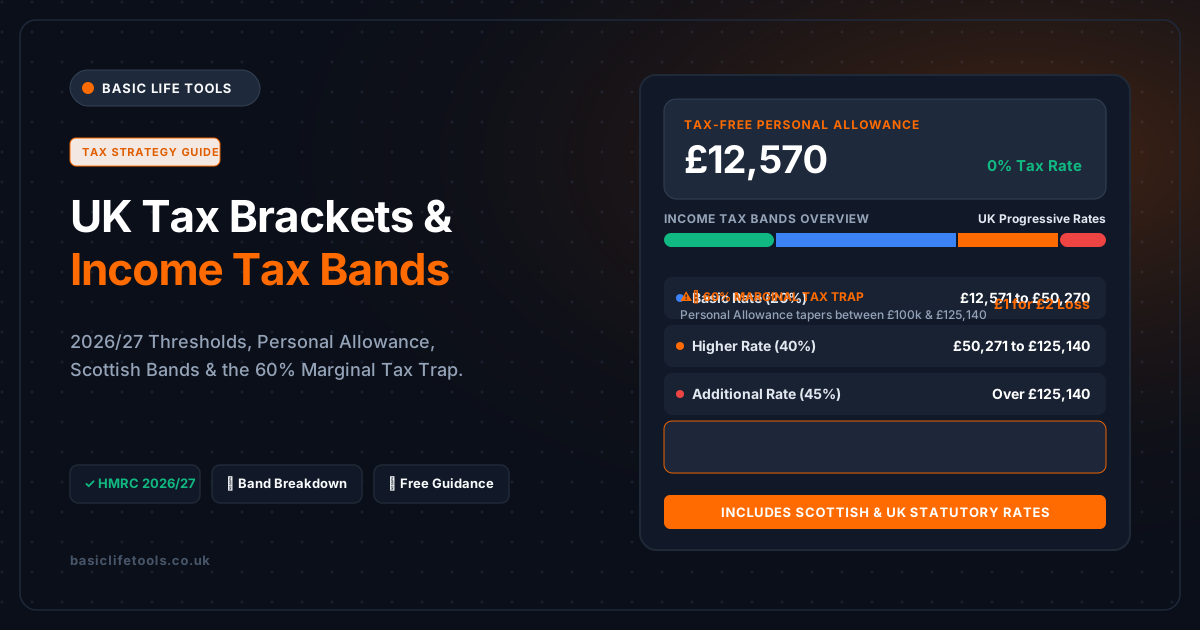
- Tax-Free Personal Allowance: £12,570 (0% Income Tax).
- Basic Rate Tax Bracket: 20% on taxable earnings between £12,571 and £50,270.
- Higher Rate Tax Bracket: 40% on taxable earnings between £50,271 and £125,140.
- Additional Rate Tax Bracket: 45% on earnings above £125,140.
- 60% Marginal Tax Trap: The £12,570 Personal Allowance reduces by £1 for every £2 earned between £100,000 and £125,140.
Standard UK Tax Brackets (England, Wales & Northern Ireland)
The UK uses a progressive tax structure. You only pay the tax rate allocated to the specific portion of income that falls inside each band, rather than paying that rate on your total gross salary.
| UK Tax Band | Taxable Income Threshold (2026/27) | Income Tax Rate |
|---|---|---|
| Personal Allowance | Up to £12,570 | 0% |
| Basic Rate | £12,571 to £50,270 | 20% |
| Higher Rate | £50,271 to £125,140 | 40% |
| Additional Rate | Over £125,140 | 45% |
Estimate Your Exact Net Pay
Calculate your net take-home salary after Income Tax, National Insurance, and pension contributions.
Scottish Income Tax Bands
For Scottish residents, the Scottish Parliament exercises devolved powers over non-savings and non-dividend income tax, utilizing a 6-band system with distinct threshold brackets compared to the rest of the UK.
| Scottish Tax Band | Taxable Income Threshold | Scottish Tax Rate |
|---|---|---|
| Personal Allowance | Up to £12,570 | 0% |
| Starter Rate | £12,571 to £14,876 | 19% |
| Basic Rate | £14,877 to £26,561 | 20% |
| Intermediate Rate | £26,562 to £43,662 | 21% |
| Higher Rate | £43,663 to £75,000 | 42% |
| Advanced Rate | £75,001 to £125,140 | 45% |
| Top Rate | Over £125,140 | 48% |
The £100,000 Personal Allowance Taper (60% Tax Trap)
A key area of personal tax planning involves the £100,000 income threshold. When your adjusted net income exceeds £100,000, your £12,570 Personal Allowance reduces by £1 for every £2 earned above that mark. The allowance reaches zero at £125,140.
This creates an effective 60% marginal tax rate on earnings between £100,000 and £125,140:
- 40% Higher Rate Income Tax on the additional earnings.
- 20% effective tax due to the gradual loss of the tax-free allowance.
- Plus 2% Class 1 employee National Insurance contributions.
Strategies to Mitigate the 60% Marginal Rate
Employees frequently utilize pension salary sacrifice or allowable charitable donations. Gross workplace pension contributions reduce your Adjusted Net Income below £100,000, restoring your full £12,570 tax-free allowance while adding funds to your retirement pot.
National Insurance (Class 1) Contribution Rates
In addition to standard UK tax brackets, employed earners pay Class 1 National Insurance Contributions (NICs). The contribution thresholds align directly with the standard Income Tax Personal Allowance:
- Income up to £12,570 per year: 0% NICs.
- Income between £12,570 and £50,270 per year: 8% standard rate.
- Income exceeding £50,270 per year: 2% rate.
Frequently Asked Questions
Related Free Financial Calculators
Calculate your taxes and business numbers using our fast, client-side tools:
- Take-Home Pay Estimator — Calculate net salary after tax, NI, and pension deductions.
- Income Tax Calculator — View itemized band breakdowns across the UK and Scotland.
- Profit Margin Calculator — Calculate commercial revenue markups and gross margins.
For official statutory tax band announcements and updates, review the HMRC Income Tax Rates on Gov.uk.