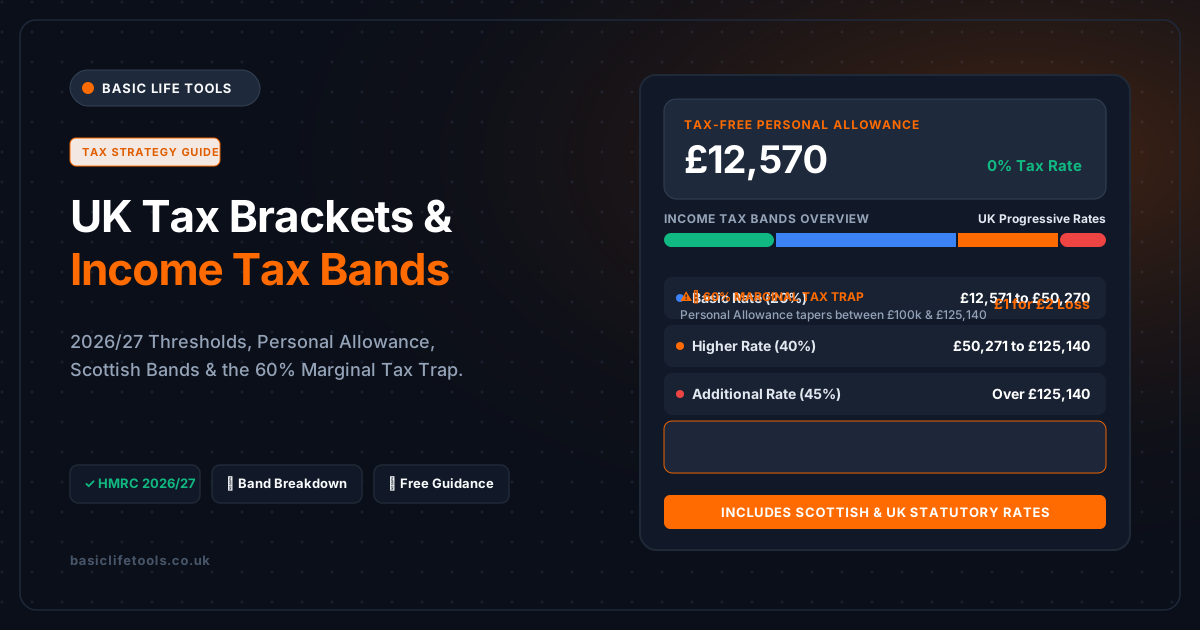
The £100k Personal Allowance Taper: How the 60% Effective Tax Rate Works
1. The £100,000 Tax Trap Mechanics
In the United Kingdom, every individual receives a standard tax-free Personal Allowance of £12,570 under Section 35 of the Income Tax Act 2007. This allowance allows you to earn up to £12,570 completely free of Income Tax.
However, Section 35(2) introduces a statutory reduction for high earners: once your Adjusted Net Income exceeds £100,000, your Personal Allowance is gradually removed.
1.1 The Statutory £2-for-£1 Clawback
For every £2 of Adjusted Net Income you earn above £100,000, HMRC reduces your Personal Allowance by £1. Because the full allowance is £12,570, the allowance is reduced to zero once your income reaches £125,140:
Personal Allowance Reduction = (Adjusted Net Income - £100,000) ÷ 2
Once your income reaches £125,140 (£100,000 + 2 × £12,570), you lose your Personal Allowance entirely and pay tax on 100% of your earnings.
1.2 Why the Effective Rate is 60%
Many taxpayers assume earnings between £100,000 and £125,140 are taxed at the standard 40% Higher Rate. In reality, two separate tax mechanisms occur simultaneously on every £100 earned in this band:
- 40% Direct Income Tax: You pay £40 of Higher Rate tax on the £100 earned.
- 20% Indirect Tax via Allowance Loss: You lose £50 of your tax-free allowance. That £50 of previously tax-free income is now pushed into the 40% tax bracket, creating an additional £20 tax bill (£50 × 40%).
Combining the £40 direct tax and £20 indirect tax creates a 60% marginal Income Tax rate. When you add the 2% Class 1 National Insurance contribution on earnings above the Upper Earnings Limit (£50,270), your total deduction rate is 62%.
2. Scottish Devolved Tax Rate Comparison
In Scotland, the Scottish Parliament has devolved power over non-savings, non-dividend income tax rates. Earnings between £75,000 and £125,140 fall under the Advanced Rate of 45%.
When the Personal Allowance taper applies in Scotland, the effective rate increases even further:
| Region | Headline Tax Band | Personal Allowance Taper | Total Marginal Rate (Inc. 2% NI) |
|---|---|---|---|
| England, Wales & NI | 40.0% (Higher Rate) | +20.0% (Clawback) | 62.0% |
| Scotland | 45.0% (Advanced Rate) | +22.5% (Clawback) | 69.5% |
A Scottish taxpayer earning between £100,000 and £125,140 retains just £30.50 out of every £100 earned in this band.
3. Additional Hidden Traps at £100k
3.1 The Childcare Subsidy Cliff-Edge
Unlike the Personal Allowance taper (which is gradual), government childcare support features a strict binary cliff-edge:
- Tax-Free Childcare: Up to £2,000 per child per year (£4,000 for disabled children) is completely withdrawn if either parent’s Adjusted Net Income exceeds £100,000 by even £1.
- 30 Hours Free Childcare: The additional 15 hours of funded childcare for 3- and 4-year-olds in England is also lost immediately at £100,001.
For a family with two young children in full-time nursery, a pay rise from £99,999 to £100,001 can trigger a combined loss of over £7,000 in government childcare support, resulting in an effective marginal tax rate exceeding 100%.
3.2 Loss of the Personal Savings Allowance
Basic rate taxpayers receive a £1,000 Personal Savings Allowance (tax-free savings interest). Higher rate taxpayers receive £500. Once your total taxable income pushes you into the Additional Rate band (above £125,140), your Personal Savings Allowance drops to £0.
4. How to Escape the 60% Tax Trap
The Personal Allowance taper is calculated based on Adjusted Net Income (ANI), not gross contract salary. You can legally reduce your ANI below £100,000 using approved HMRC deductions.
4.1 Workplace Salary Sacrifice Pension
Salary sacrifice is the most tax-efficient method to reduce your taxable income. Under a salary sacrifice agreement, you agree to reduce your gross salary before tax in exchange for an equivalent employer pension contribution.
Worked Example: You earn £115,000 and sacrifice £15,000 into your workplace pension:
- Your Adjusted Net Income drops from £115,000 to £100,000.
- Your full £12,570 Personal Allowance is completely restored.
- You save £6,000 in 40% Income Tax and £3,000 from the restored Personal Allowance.
- You also save £300 in 2% National Insurance.
- Total Net Cost: The £15,000 pension contribution costs you only £5,700 in net take-home pay.
4.2 SIPP Contributions & Higher-Rate Relief
If your employer does not offer salary sacrifice, you can make personal contributions to a Self-Invested Personal Pension (SIPP).
Personal contributions receive 20% basic rate tax relief added directly to your pension pot by the provider. You then claim the additional 20% to 40% higher rate relief through your HMRC Self-Assessment tax return, which reduces your Adjusted Net Income calculation.
4.3 Gift Aid Charitable Donations
Donations made under Gift Aid also reduce your Adjusted Net Income. For every £80 donated to a registered charity, the charity claims £20 from HMRC (making the gross donation £100). When calculating your ANI, HMRC deducts the full £100 gross amount from your total income.